How long should a windshield last? Five years? Ten years? The answer might surprise you: automotive windshields don’t have a fixed expiration date. A properly installed, undamaged windshield can potentially last the entire lifetime of a vehicle.
However, windshield longevity depends on more than age. Road debris, accumulated glass pitting, improper installation, and existing chips or cracks can affect how long your windshield remains safe and provides clear visibility.
For Arizona drivers, intense summer temperatures, dusty highways, and frequent road construction introduce additional challenges. In this guide, we’ll explain what affects windshield lifespan, how to recognize signs of deterioration, and when repair or replacement may be necessary.
How Glass Quality and Installation Affect Windshield Lifespan
The quality of your windshield and how it was installed can influence its long-term performance. Both original equipment manufacturer (OEM) and aftermarket windshields can provide dependable service when they meet applicable safety standards and the vehicle’s specifications.
OEM glass isn’t automatically longer-lasting than aftermarket glass. Proper fitment, optical clarity, manufacturing quality, and compatibility with your vehicle’s features are more important than the brand printed on the glass.
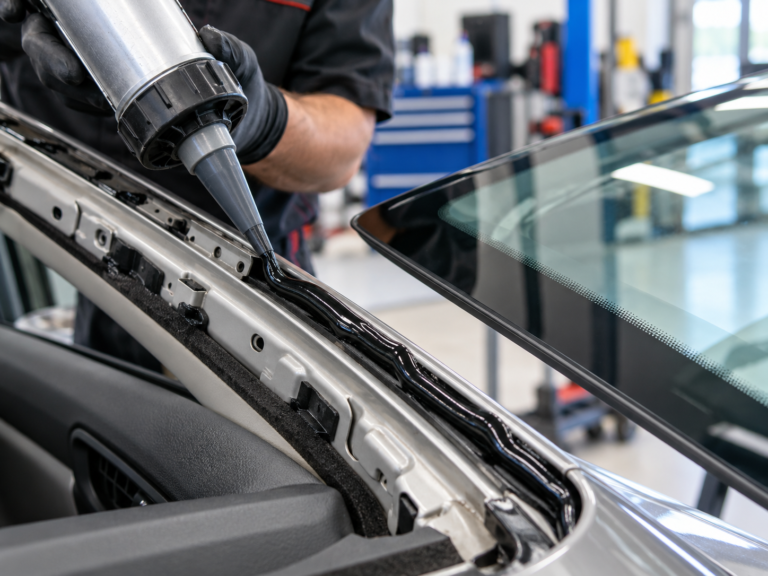
Professional installation is equally important. The windshield frame must be properly prepared, the correct automotive urethane adhesive must be used, and manufacturer-recommended installation procedures must be followed.
Poor installation can contribute to water leaks, wind noise, improper bonding, and potential safety concerns. A correctly installed windshield should provide reliable performance for many years, provided it remains free from significant damage.
How Arizona Driving Conditions Affect Windshield Lifespan
Arizona’s highways, desert environment, and extreme temperatures can gradually affect the condition of your windshield. Even when the glass has never suffered a major impact, years of driving can leave behind small imperfections that affect visibility.
Road Debris and Surface Pitting
Tiny rocks, sand, and debris kicked up by passing vehicles can create small impact marks and surface pitting. Over time, these imperfections may scatter sunlight and oncoming headlights, producing glare that makes driving more difficult.
Temperature Changes and Existing Damage
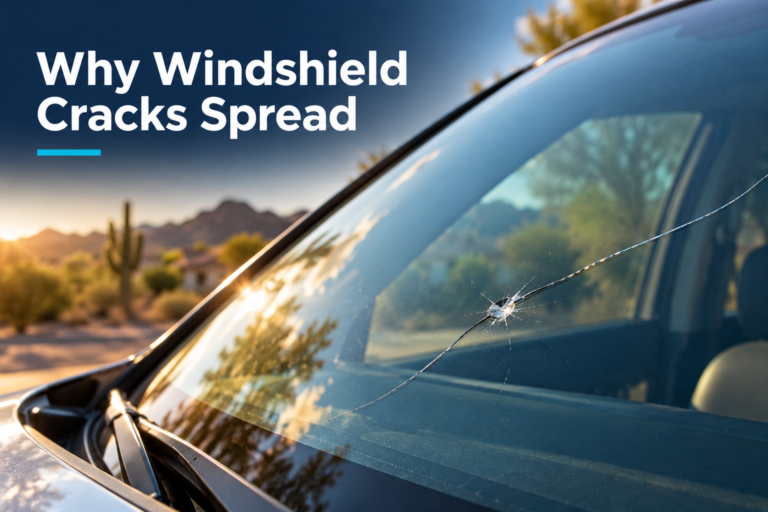
Arizona’s intense summer heat doesn’t automatically shorten the lifespan of undamaged windshield glass. However, uneven heating and cooling can place additional stress around existing chips or cracks, increasing the possibility of damage spreading.
Highway Driving and Everyday Wear
Vehicles that spend years traveling on busy freeways, construction routes, and rural highways may accumulate more glass wear than vehicles driven primarily around town. Driving conditions and exposure often matter more than the windshield’s actual age.
For practical ways to reduce unnecessary damage, see our guide to protecting your windshield and auto glass in Arizona.
Signs Your Windshield Is Showing Its Age
Unlike tires or windshield wipers, automotive glass doesn’t have a scheduled replacement interval. However, years of driving can gradually affect its condition and visibility.
Windshield Pitting: Tiny impact marks from sand, gravel, and road debris can accumulate across the glass. These imperfections scatter light and may produce significant glare when driving toward the sun or approaching headlights.
Scratches and Wiper Marks: Worn wiper blades, trapped dirt, and improper cleaning techniques can leave scratches that become increasingly noticeable in certain lighting conditions.
Cloudiness or Delamination: Hazy areas, discoloration, or separation between laminated glass layers may indicate deterioration that cleaning cannot correct.

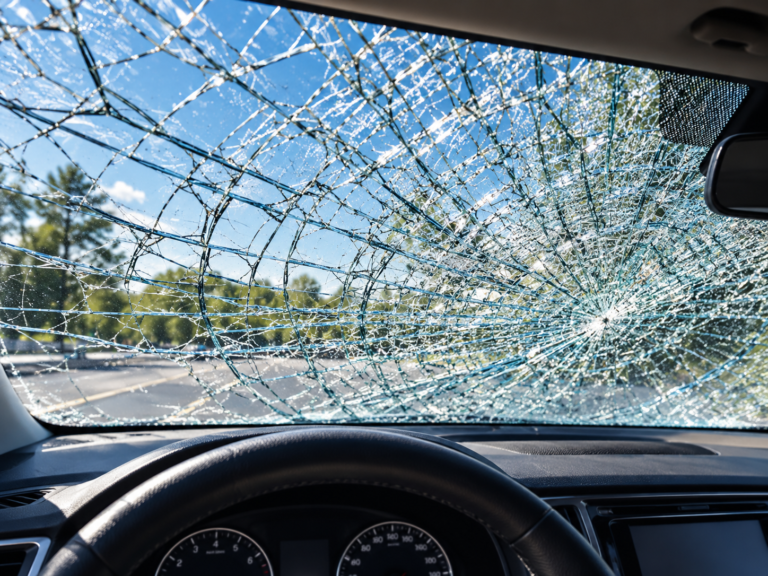
Accumulated Chips and Cracks: Multiple impact points or existing fractures can affect visibility and make windshield repair less practical.
An older windshield doesn’t automatically need replacement. The important question is whether the glass still provides clear visibility and remains in safe condition.
When Does an Aging Windshield Actually Need Replacement?
A windshield doesn’t need replacement simply because it’s five, ten, or even twenty years old. What matters is its condition, visibility, structural integrity, and ability to function safely.
However, certain problems can indicate that replacement should be considered:
-
Excessive Pitting and Glare: Thousands of tiny surface imperfections can scatter sunlight and headlights, making visibility difficult even after thoroughly cleaning the glass.
-
Significant Cracks or Impact Damage: Large fractures, multiple impact points, or damage affecting critical viewing areas may make windshield repair unsuitable.
-
Glass Delamination: Separation between layers of laminated glass can create cloudy areas, bubbles, or distortion that interfere with visibility.
-
Persistent Optical Distortion: Distorted or hazy areas that cannot be corrected through normal cleaning should be professionally evaluated.
Not every scratch, chip, or pit requires complete replacement. A qualified auto glass technician can evaluate the windshield and determine whether repair is appropriate or replacement is the safer option.
The goal isn’t to replace an old windshield unnecessarily—it’s to maintain clear visibility and proper vehicle safety.
Simple Ways to Extend the Life of Your Windshield
Although windshields don’t have a fixed expiration date, proper care can help preserve visibility and reduce unnecessary wear over the years.
A few simple habits can make a difference:
-
Keep the glass clean: Rinse away Arizona dust, sand, and grit before wiping the windshield to avoid scratching the surface.
-
Maintain your windshield wipers: Replace worn blades and keep the washer fluid reservoir filled to prevent unnecessary scratching and streaking.
-
Repair small chips promptly: Addressing repairable rock chips early can help prevent cracks from spreading and potentially avoid a complete replacement.
-
Maintain safe following distances: Leave additional space behind construction vehicles, gravel trucks, and other vehicles that may kick up loose debris.
-
Inspect your windshield periodically: Watch for increasing glare, pitting, cracks, and optical distortion that may interfere with safe driving.
These precautions cannot prevent every windshield problem, but they can help maintain glass clarity and reduce avoidable damage.
Remember, a windshield’s condition matters far more than its age. A properly maintained windshield may provide safe service for the entire life of the vehicle.
How Long Should Your Windshield Really Last?
A windshield doesn’t have an expiration date. With proper installation, regular maintenance, and freedom from significant damage, automotive glass can potentially last the entire lifetime of a vehicle.
For Arizona drivers, the biggest concerns aren’t necessarily the age of the glass but the effects of highway debris, accumulated surface pitting, scratches, and existing chips or cracks.
If your windshield still provides clear visibility and remains in good condition, there’s no reason to replace it simply because it’s getting older. However, excessive glare, significant damage, or deterioration that affects visibility should be professionally evaluated.
At 1st Shot Auto Glass, we help drivers throughout Mesa and the Phoenix metro area determine whether their windshield can be repaired or needs replacement. We also provide mobile windshield replacement, insurance assistance, and ADAS calibration when required.
The bottom line: Replace your windshield because its condition requires it—not because of its age.