
Do Windshield Humidity Or Condensation Sensors Work with All Windshields?
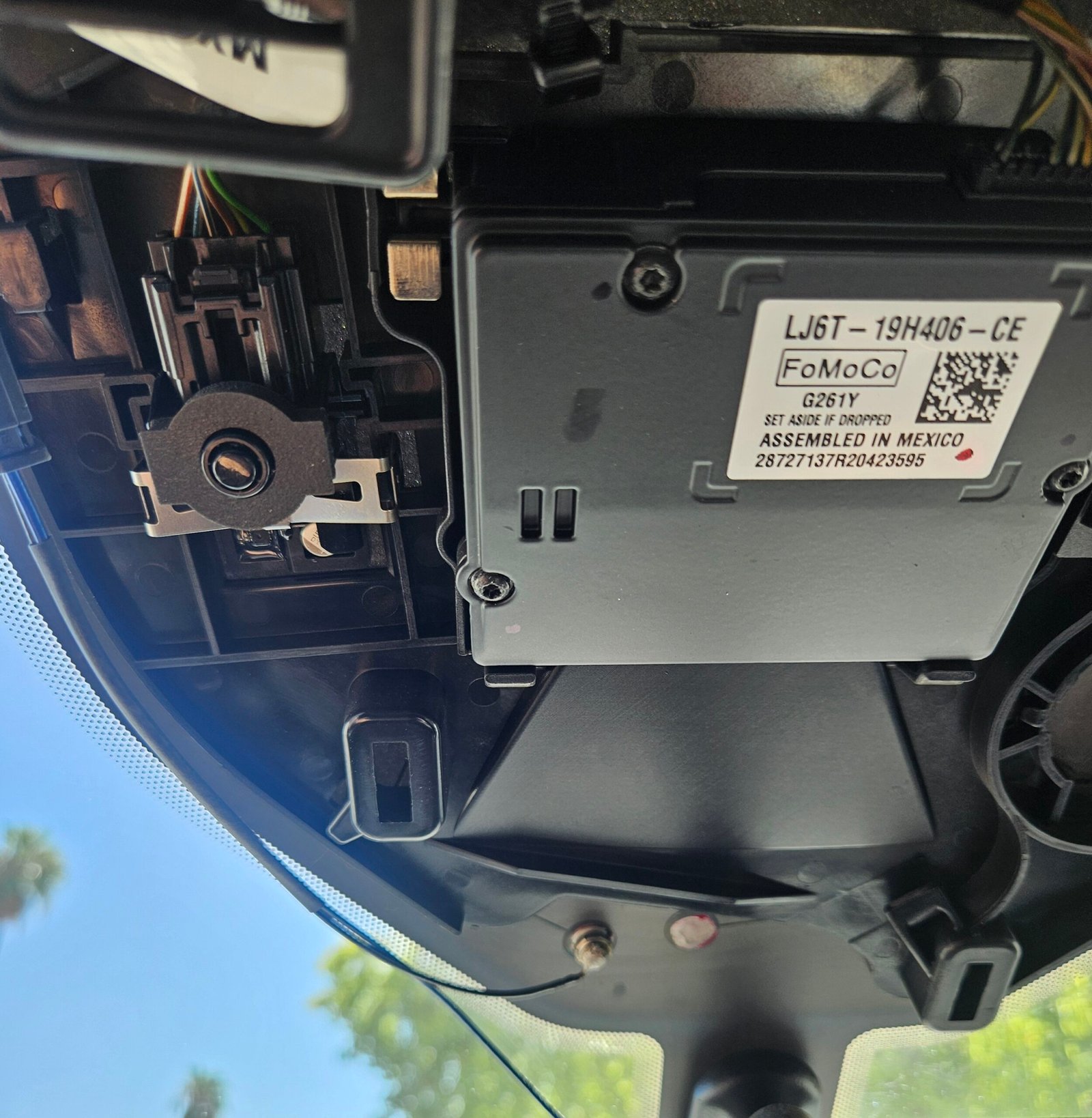
Not every windshield works with every condensation or humidity sensor. These systems are designed around the vehicle’s original equipment and may require a specific windshield, mounting bracket, shaded area, or sensor location behind the rearview mirror.
A windshield condensation sensor detects moisture conditions that can cause the inside surface of the glass to fog. A windshield humidity sensor monitors moisture in the cabin air. Depending on the vehicle, these sensors may help the climate-control system automatically adjust airflow, temperature, or defogging to improve visibility.
During windshield replacement, the new glass must match the vehicle’s factory sensor requirements. An undamaged sensor may be transferred to the replacement windshield, but it must be mounted correctly and reconnected carefully. The system should then be tested to confirm that the defogging and climate-control functions respond properly.
What Causes Condensation on the Inside of a Windshield?
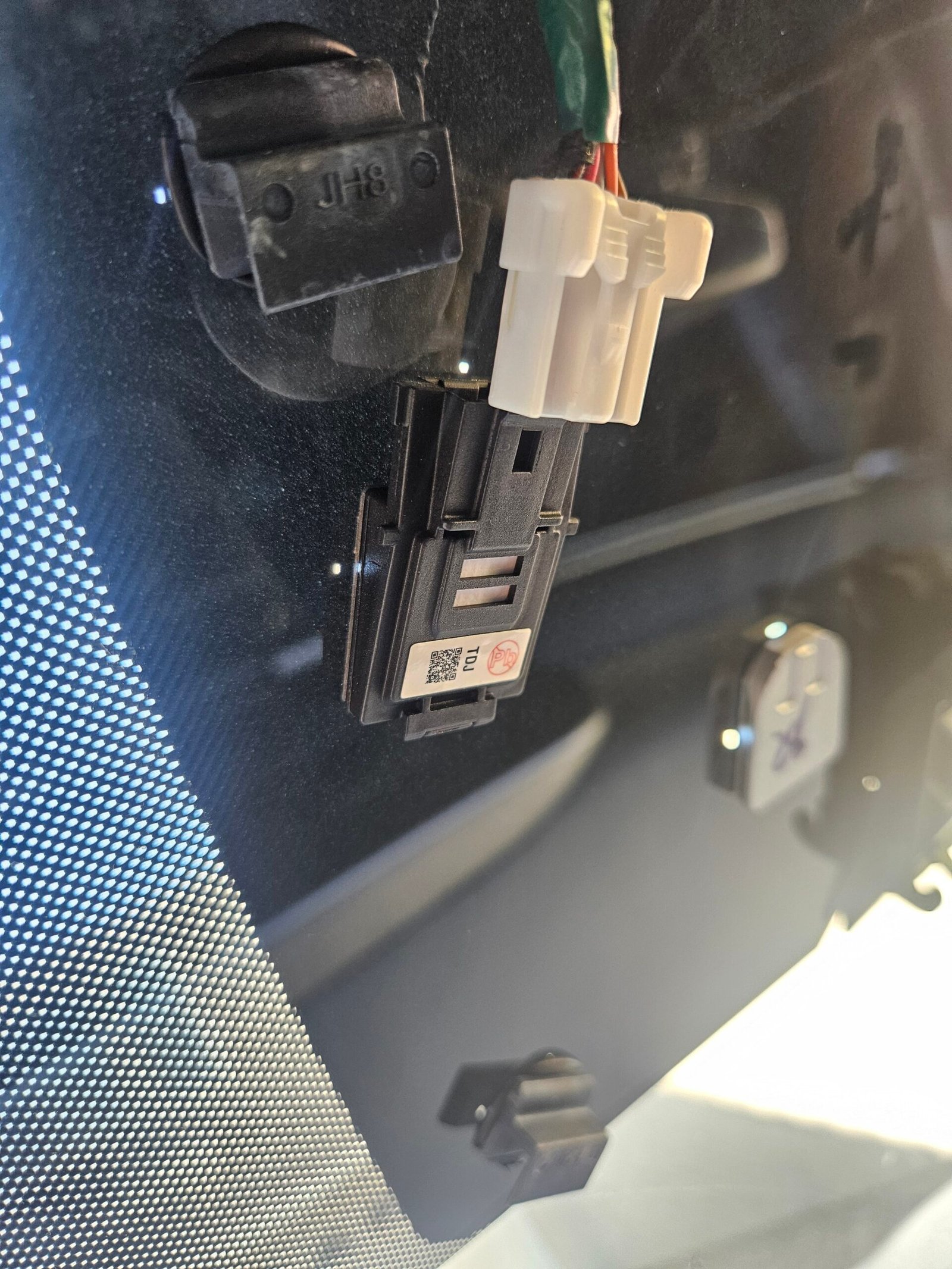
Condensation forms when warm, moisture-filled cabin air meets a cooler windshield surface. The moisture changes into small water droplets that can fog the glass and reduce visibility.
Common causes include:
-
High cabin humidity: Wet clothing, damp floor mats, passengers breathing, and moisture brought in during rainy weather can raise humidity inside the vehicle.
-
Temperature differences: Condensation becomes more likely when the cabin air is warmer than the windshield.
-
Limited airflow: Poor ventilation or insufficient defroster airflow can allow moisture to remain on the glass longer.
-
Climate-control conditions: Recirculated air, air-conditioning settings, or a malfunctioning HVAC component can affect how quickly the windshield clears.
A windshield condensation or humidity sensor helps the vehicle recognize these conditions so the climate-control system can respond before fogging seriously affects visibility.