
Professional ADAS Calibration for Modern Vehicles
Modern vehicles rely on Advanced Driver Assistance Systems (ADAS) to help drivers stay safer on the road. Many of these systems use cameras and sensors mounted near the windshield. When the windshield is replaced or certain repairs are performed, these systems may require professional calibration to ensure they continue working correctly.
At 1st Shot Auto Glass, we provide ADAS calibration services to help restore the proper alignment of safety systems so they function the way the manufacturer intended.
What Is ADAS Calibration?
ADAS calibration is the process of realigning the cameras and sensors used by driver assistance technology. These components are extremely sensitive and must be positioned precisely for the system to interpret road conditions correctly.
Even a small change in camera angle during windshield replacement can affect how these systems perform. Calibration ensures the sensors and cameras are properly aligned so the vehicle’s safety features can operate accurately.
Common ADAS Safety Features That Require Calibration
Many vehicles today include ADAS technologies that depend on properly aligned cameras or sensors. These features may include:
Lane departure warning
Lane keeping assist
Forward collision warning
Automatic emergency braking
Adaptive cruise control
Traffic sign recognition
Pedestrian detection
Blind spot monitoring systems
If the camera or sensors are not calibrated correctly, these systems may not detect hazards or road conditions as intended.
When ADAS Calibration May Be Required
ADAS calibration is often needed after certain repairs or maintenance procedures, especially when components near the sensors or cameras are disturbed.
Calibration may be required after:
Windshield replacement
Collision repairs
Suspension repairs
Wheel alignment changes
Replacement of ADAS sensors or cameras
Certain body repairs
Because many ADAS cameras are mounted to the windshield, windshield replacement is one of the most common situations where calibration is needed.
Types of ADAS Calibration
Static Calibration
Static calibration is performed in a controlled environment using specialized equipment and targets placed at specific distances from the vehicle. This process allows technicians to precisely align the camera or sensor systems.
Dynamic Calibration
Dynamic calibration requires the vehicle to be driven under certain conditions so the onboard systems can recalibrate themselves using road data.
Some vehicles require only static calibration, only dynamic calibration, or a combination of both depending on the manufacturer.
Why Proper ADAS Calibration Matters
ADAS technology is designed to assist drivers and help reduce the risk of accidents. If the system is not properly calibrated, it may:
Misinterpret lane markings
Fail to detect vehicles or obstacles
Trigger warnings incorrectly
Reduce the effectiveness of safety systems
Proper calibration ensures that these systems operate accurately and continue supporting the vehicle’s safety features.
ADAS Calibration After Windshield Replacement
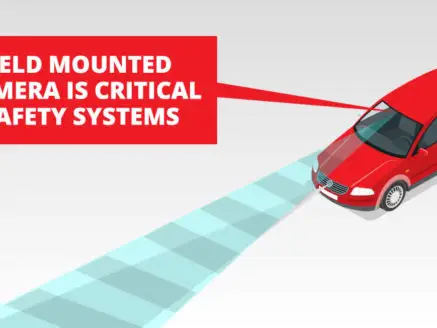
Many vehicles have forward-facing cameras mounted directly to the windshield. When the windshield is replaced, the mounting position for the camera can change slightly.
Even a very small shift can impact how the system interprets road conditions. Calibration ensures that the camera is aligned to manufacturer specifications so the vehicle’s driver assistance systems function correctly.
This is why ADAS calibration is often recommended immediately after windshield replacement.
Vehicles That Commonly Require ADAS Calibration
ADAS technology is becoming standard across many vehicle brands and models. Vehicles equipped with ADAS cameras may include:
Ford
Toyota
Honda
Chevrolet
Nissan
Hyundai
Kia
Subaru
BMW
Mercedes-Benz
Audi
Volkswagen
As vehicle technology continues to evolve, more models include advanced driver assistance features that require calibration.
Why Drivers Choose 1st Shot Auto Glass
When it comes to ADAS calibration and auto glass services, experience and attention to detail matter.
Customers choose 1st Shot Auto Glass because we focus on:
Professional auto glass service
Proper procedures for modern vehicle technology
Honest recommendations
Reliable service
Clear communication with customers
Our goal is to help ensure your vehicle’s safety systems continue functioning as designed.
Mobile Service and Customer Convenience
At 1st Shot Auto Glass, we aim to make the process as convenient as possible. Our team works to provide efficient service while helping customers understand when ADAS calibration may be required.
If you’re unsure whether your vehicle requires calibration after a repair or windshield replacement, we can help guide you through the process.
Service Areas
1st Shot Auto Glass proudly serves drivers throughout:
Phoenix
Mesa
Chandler
Gilbert
Tempe
Queen Creek
San Tan Valley
Apache Junction
Florence
Ahwatukee
If you’re located nearby and need ADAS calibration or windshield services, contact us to learn more about available options.
Frequently Asked Questions About ADAS Calibration
What does ADAS stand for?
ADAS stands for Advanced Driver Assistance Systems, which are technologies designed to help drivers operate vehicles more safely.
Is ADAS calibration always required after windshield replacement?
Not every vehicle requires calibration, but many modern vehicles with forward-facing cameras do.
How do I know if my vehicle has ADAS features?
If your vehicle has systems like lane assist, collision warning, or adaptive cruise control, it likely uses ADAS technology.
Can I drive without ADAS calibration?
The vehicle may still operate, but the driver assistance systems may not function accurately until calibration is completed.
How long does ADAS calibration take?
The time required depends on the type of calibration and the specific vehicle system.
Schedule ADAS Calibration Service
If your vehicle uses Advanced Driver Assistance Systems, proper calibration is important to maintain the performance of those safety features.
Contact 1st Shot Auto Glass today to learn more about ADAS calibration and windshield services.
The passage describes several Advanced Driver Assistance Systems (ADAS) designed to enhance vehicle safety and driver comfort. Here are the systems mentioned:
Lane Keeping Assist (LKA): This system helps in maintaining the vehicle within its lane. It automatically steers the car back if it starts to drift out of the lane without a turn signal.
Lane Departure Warning (LDW): LDW alerts the driver through sound or vibration if the vehicle begins to move out of its lane without activating the turn signal.
Forward Collision Alert (FCA): This technology monitors the distance between the driver’s vehicle and the vehicle in front. It provides visual and audio alerts if the gap decreases unsafely.
Collision Mitigation Braking System (CMBS): Working in a similar realm as the FCA, CMBS goes a step further by applying the brakes automatically if the driver fails to respond to the initial collision warning.
Adaptive Cruise Control (ACC): ACC adjusts the vehicle’s speed to maintain a safe following distance from the car ahead, ensuring comfortable and stress-free highway driving.
Each of these systems plays a crucial role in preventing accidents and enhancing the overall safety mechanisms of a modern vehicle.
Understanding When Your Car’s ADAS Needs Calibration
It’s crucial to keep your car’s Advanced Driver Assistance Systems (ADAS) finely tuned and properly calibrated. Calibration is vital for ensuring these systems function as intended, keeping you safe on the road. Here’s how you can determine if your car’s ADAS may need a professional adjustment.
1. Drifting or Pulling during Rides
If you notice your vehicle drifting or pulling to one side consistently while driving, it’s a potential sign of misaligned ADAS sensors. These sensors are designed to keep your car centered within lane markings. Any deviation from this could suggest a need for calibration.
2. Malfunctioning ADAS Features
Pay attention to how the ADAS features behave. Are the collision avoidance alerts acting erratically? Does the automatic braking intervene unnecessarily or fail to engage when expected? These irregularities often point to a problem with sensor alignment.
3. Post-Repair Issues
Have you had recent repairs or mechanical services on your vehicle, such as wheel alignment or tire replacements? Such interventions can displace ADAS sensors. If something feels off after your car has been serviced, it could be due to the sensors shifting out of their correct positions.
Taking Action
If you’re experiencing any of these issues, it’s advisable to visit a professional calibration service. Technicians there will employ specialized tools to accurately align your ADAS sensors, ensuring your vehicle’s safety features operate as intended. Remember, proactive maintenance is key to the longevity and efficacy of your car’s safety systems.