
How a Windshield Rain Sensor Activates Automatic Wipers.
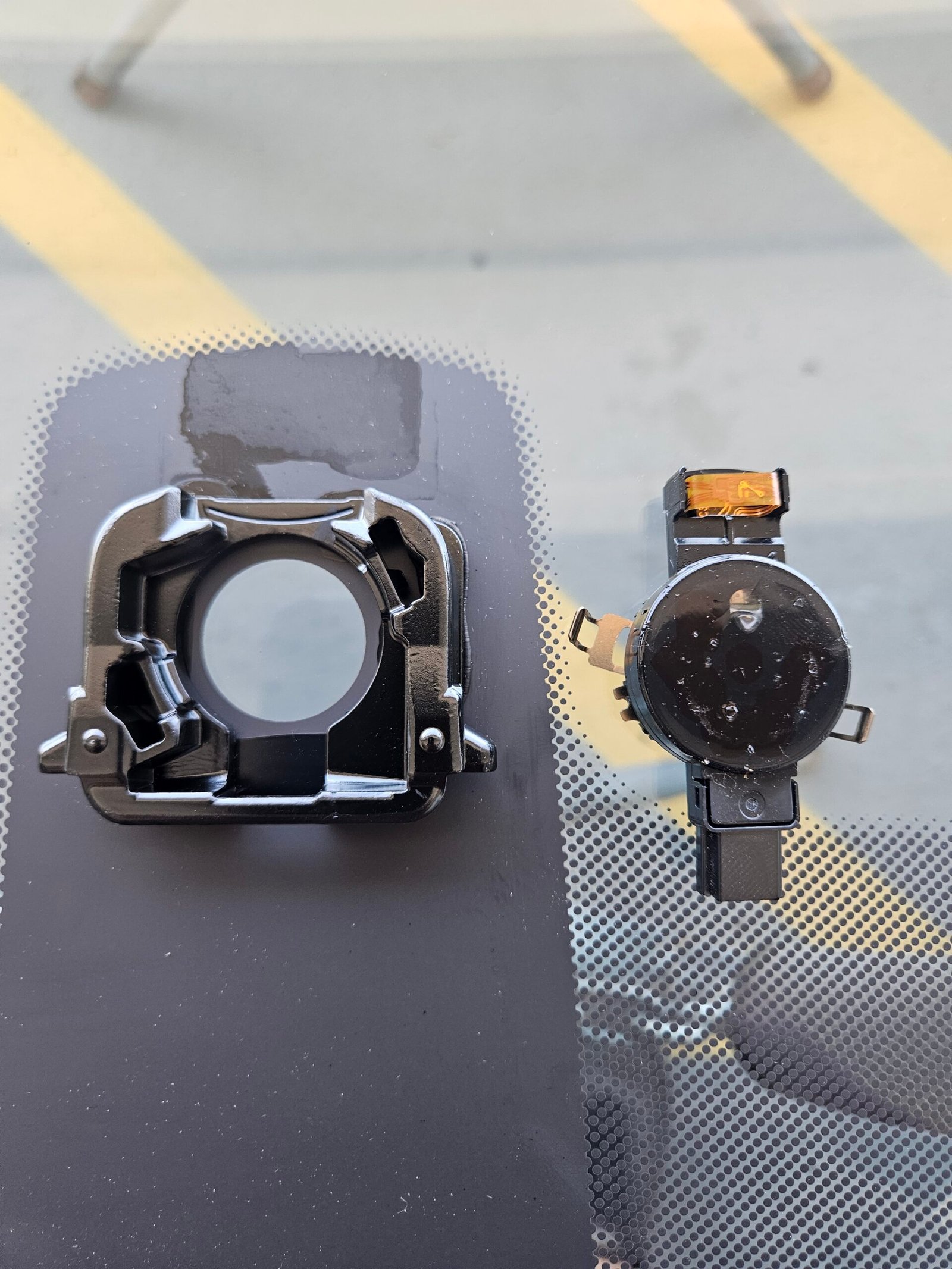
The windshield rain sensor in your vehicle is typically situated behind the rearview mirror, where it can easily monitor the exterior conditions of your windshield. This device is recognizable by a lens or a thin film, which is directed outward to effectively detect any moisture on the glass. Often, this sensor is placed close to the light sensor, forming an integral part of your car’s automated system. When it senses raindrops on the windshield, it activates the windshield wipers automatically, ensuring clear visibility during precipitation without manual intervention.
A car windshield rain sensor, also known as a rain-sensing wiper system, is a technology designed to automatically control the operation of a vehicle’s windshield wipers based on the detection of rain or moisture on the windshield. If required, it’s imperative to replace the rain sensor’s gel pad after a windshield replacement. Here’s what it does:
-
-
Automatic Wiper Control:
The primary function of a rain sensor is to automatically activate and adjust the speed of the windshield wipers in response to changing weather conditions. When the sensor detects raindrops or moisture on the windshield, it sends a signal to the wiper control system, which then activates the wipers at an appropriate speed to clear the water from the glass.
-
-
-
Adaptive Speed:
The windshield rain detector continuously monitors the level of moisture on the windshield. If the rain intensifies, the sensor signals the wipers to operate at a higher speed, and when the rain subsides, the wipers slow down or turn off. This adaptive control ensures that the wipers match the current conditions, providing optimal visibility without requiring manual adjustments by the driver.
-
-
-
Enhanced Safety:
Rain sensing windshields contribute to driving safety by ensuring that the windshield remains clear of rain, snow, or other moisture, allowing the driver to maintain a clear view of the road. This feature is particularly useful during sudden downpours or when driving in varying weather conditions.
-
-
-
Driver Convenience:
The automatic operation of wipers based on moisture detection reduces the need for the driver to constantly adjust wiper speed, making for a more convenient and hands-free driving experience.
-
Overall, a windshield rain sensor enhances driving safety and convenience by automating the control of windshield wipers in response to changing weather conditions, ensuring that the windshield remains clear and the driver’s visibility is maintained.
Does a Rain Sensor Need to Be Replaced With the Windshield?
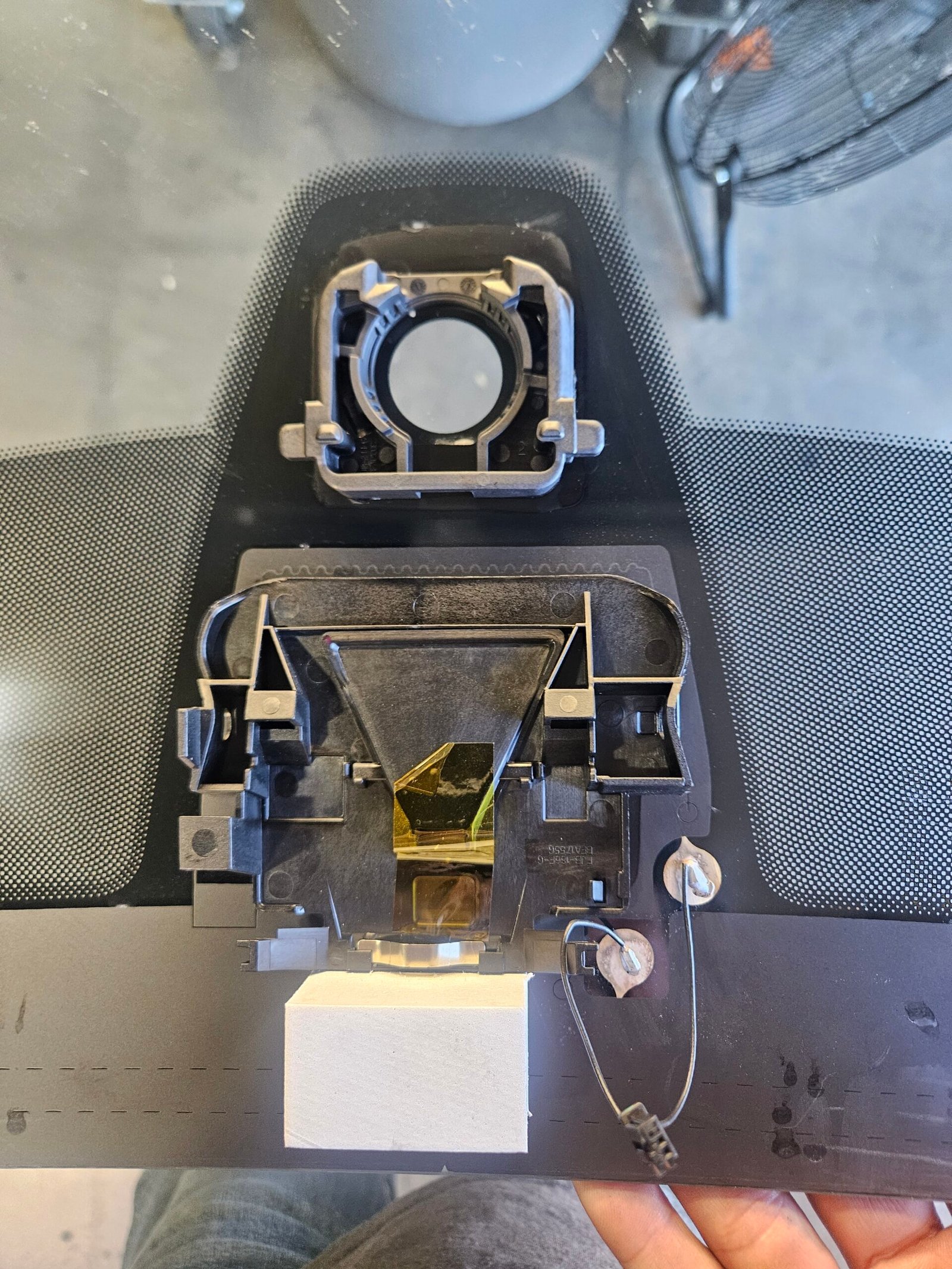
A windshield rain sensor is often attached to a mounting bracket behind the rearview mirror. During windshield replacement, the sensor may be transferred to the new glass when it is undamaged and compatible with the replacement windshield. A damaged sensor, mounting bracket, gel pad, or optical coupling component may need to be replaced.
Correct placement matters because the sensor must make proper contact with the windshield to detect moisture accurately. After installation, the automatic wipers should be tested to confirm that the rain sensor is responding correctly.
Rain Sensors and ADAS Cameras Work Together
Many modern vehicles combine the rain sensor, forward-facing ADAS camera, and rearview mirror assembly into one windshield-mounted system. Because these components share the same mounting area, replacing the windshield may also require ADAS camera calibration to restore features such as lane departure warning, forward collision alert, and traffic sign recognition.
Proper installation helps ensure your automatic wipers, rain sensor, and advanced driver assistance systems (ADAS) continue operating as designed after windshield replacement.
Frequently Asked Questions About Windshield Rain Sensors
Where is the rain sensor located on a windshield?
The rain sensor is typically mounted to the inside of the windshield behind or near the rearview mirror. From outside the vehicle, it may appear as a small circular or rectangular sensor within the shaded area of the glass.
Will the rain sensor work after windshield replacement?
Yes, when the correct windshield is installed and the sensor is transferred or replaced properly. Depending on the vehicle and sensor design, a new gel pad or optical coupling material may be needed between the windshield and sensor. Proper contact, positioning, and testing help ensure the automatic wipers detect moisture accurately.
Does a windshield rain sensor need calibration?
The rain sensor may require initialization or a functional test after windshield replacement, depending on the vehicle. If the windshield also supports a forward-facing ADAS camera, that camera may require a separate static, dynamic, or dual calibration.
Get Up To $450 Cash Back With a Qualifying Insurance-Approved Windshield Replacement
Eligibility and available cash-back amounts vary by vehicle, insurance coverage, windshield features, and claim approval.
Call (480) 233-9368 or Text
Free Mobile Service • Family Owned & Operated