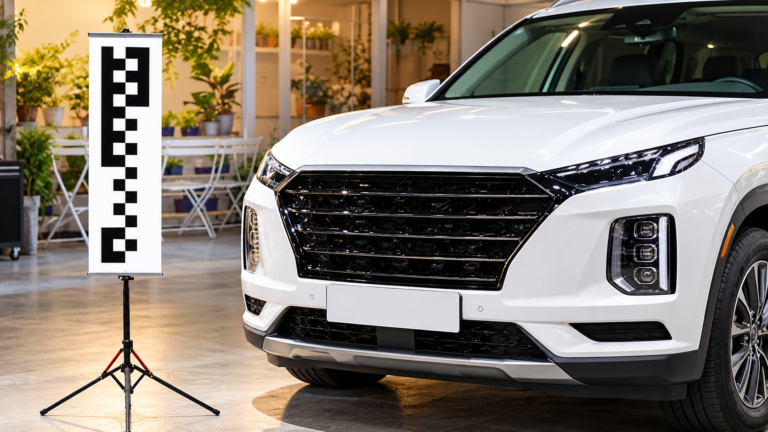
When most drivers think about replacing a windshield, they focus on the glass itself. But on many newer vehicles, the windshield also serves as a mounting location for cameras, rain sensors, humidity sensors, and other electronic equipment. The hardware attached to the windshield deserves just as much attention as the glass. The featured illustration is based on a real 2024 Ford F-150 windshield camera and sensor assembly photographed during a 1st Shot Auto Glass installation in Gilbert, Arizona.
What’s Behind Your Rearview Mirror?
Depending on your vehicle, the upper center portion of the windshield may contain a forward-facing driver-assistance camera, a rain sensor, a humidity or condensation sensor, mounting brackets, protective housings, optical pads, and retainers. Our ADAS features guide explains how these systems work, while our modern windshield technology hub covers the glass features that help determine the correct replacement part.

Why a Small Bracket Can Become a Big Problem
Some camera assemblies attach to brackets bonded to the windshield during manufacturing. Others use sliding mounts, clips, or vehicle-specific retainers. If hardware is damaged, loose, improperly positioned, or incompatible with the vehicle, a driver may notice rattling or poor fitment—or there may be a concern about how a camera is supported and aligned. A windshield can look fine from outside while an installation issue remains hidden behind the mirror housing.
That’s one reason inspecting a replacement windshield before installation matters. Correct fitment involves more than getting the glass into the opening.

What Industry Guidance Says About Replacement Parts
The Independent Glass Association’s Report-A-Part database allows auto glass professionals to document replacement-part concerns such as fit, optical distortion, hardware placement, and sensor or camera housings.
Separately, the Auto Glass Safety Council’s replacement safety compliance checklist addresses glass compatibility with vehicle systems and inspection of applicable ADAS mounting components. These references reinforce the importance of matching glass and attached hardware to the specific vehicle; they do not mean every replacement part or bracket has a defect.
Does a Windshield Camera Always Need Calibration?
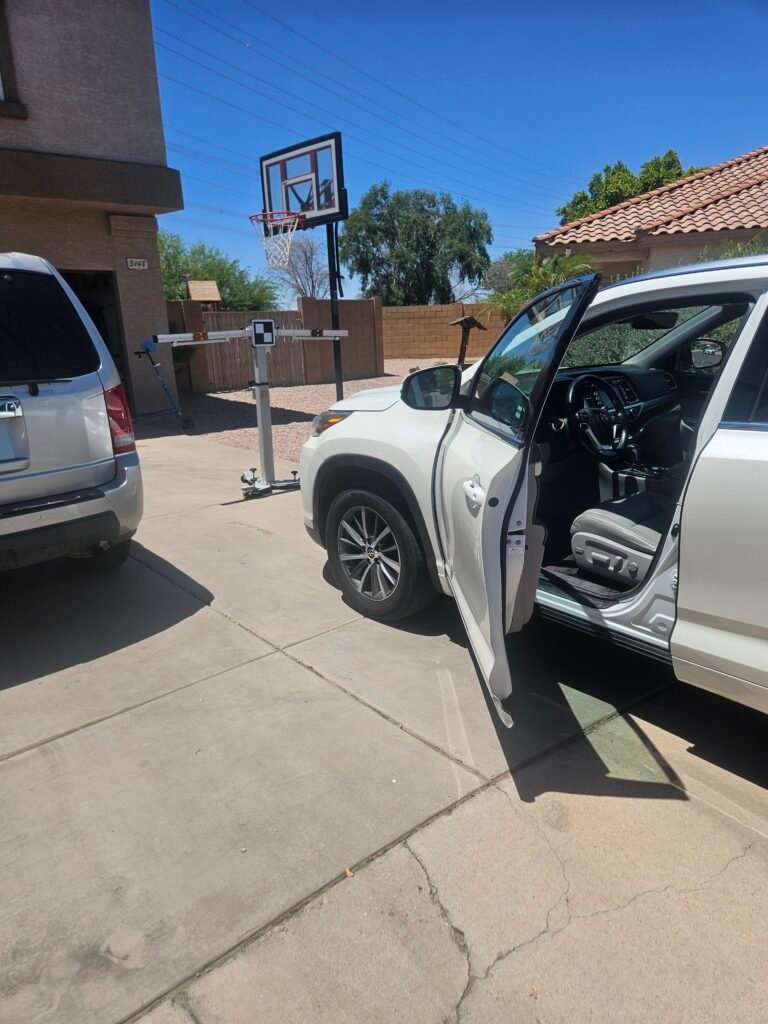
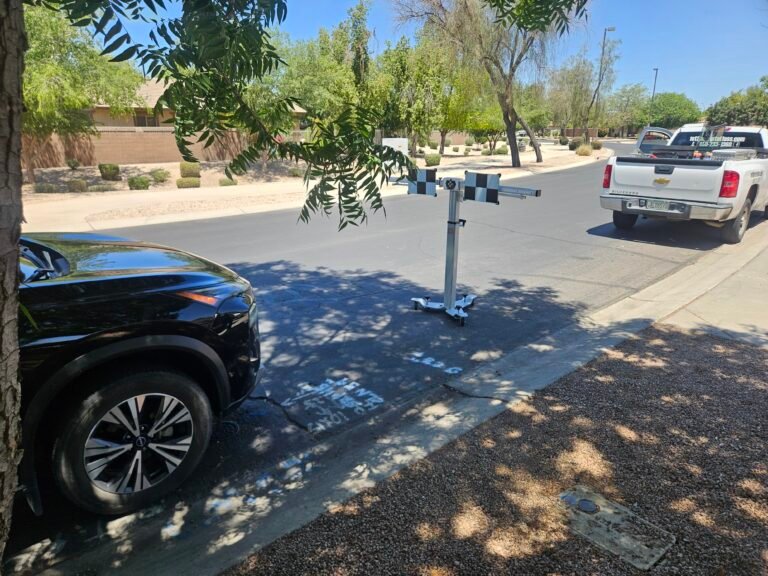
Calibration requirements depend on the vehicle manufacturer, model, equipment, and repair procedure. Depending on the vehicle, required procedures may be static, dynamic, or both. Follow current manufacturer instructions rather than assuming that every vehicle uses the same process.
Importantly, a successful calibration does not replace the need to correct loose, damaged, or incompatible mounting hardware. Learn more about our camera and driver-assistance system information and mobile auto glass services.
What 1st Shot Auto Glass Looks For
During windshield replacement, we check the applicable glass features and mounting hardware for appropriate fitment. Depending on the vehicle, that can include camera brackets, rain sensor locations, trim retainers, and other equipment attached to or positioned against the glass. When manufacturer procedures call for ADAS calibration, we coordinate the appropriate service.
We believe a quality windshield replacement should consider the complete installation—not just whether the glass fits into the opening.

Mobile Windshield Replacement in Mesa and the Phoenix Area
1st Shot Auto Glass provides mobile windshield replacement in Mesa and serves Phoenix, Chandler, Gilbert, Tempe, Scottsdale, Queen Creek, and surrounding communities. Whether your vehicle has a basic windshield or one with modern driver-assistance features, identifying the correct glass matters.
Need a windshield replaced? Contact 1st Shot Auto Glass for a quote. Have your vehicle’s year, make, model, and VIN available so we can help identify the correct windshield and features.