Hyundai Motor Group is developing a new generation of heated windshields designed to improve visibility, reduce energy consumption, and help manage vehicle interior temperatures. Unlike conventional heated glass that relies on visible heating wires, its 48-volt Metal-Coated Heated Glass uses a transparent metallic coating embedded within the windshield.
First unveiled in 2024 and tested on Genesis electric vehicles, the technology demonstrated the ability to clear frost in approximately five minutes at temperatures as low as −18°C (0°F).
But there’s another benefit that’s particularly interesting for Arizona drivers: the coating can also block at least 60% of incoming solar energy, potentially reducing cabin temperatures and air-conditioning demand.
For auto glass professionals, technologies like this also highlight why identifying the correct replacement windshield and understanding its factory-installed features are becoming increasingly important.
How Hyundai’s 48V Metal-Coated Heated Windshield Works
Unlike conventional heated windshields that use tiny embedded heating wires, Hyundai Motor Group’s Metal-Coated Heated Glass uses a transparent conductive coating within the laminated windshield.
The technology incorporates approximately 20 extremely thin metallic layers, including silver. When electrical current passes through the coating, the windshield itself generates heat.
A 48-volt electrical system provides the power needed to heat the glass quickly and evenly. This offers several advantages:
-
Faster defrosting: Hyundai’s testing demonstrated complete frost removal in approximately five minutes at −18°C (0°F).
-
Clearer visibility: The transparent heating layer eliminates the need for visible tungsten heating wires.
-
Improved efficiency: Hyundai reported approximately 10% less energy consumption compared with conventional climate-control defrosting under its test conditions.
-
ADAS visibility: Quickly clearing frost and condensation helps windshield-mounted cameras maintain an unobstructed view.
Because the heating technology is integrated into the glass itself, this is more than an ordinary windshield with a defroster blowing warm air across its surface.
Source: Hyundai Motor Group — Metal-Coated Heated Glass Technology
Why Hyundai’s Heated Windshield Technology Matters in Arizona
Although Hyundai’s Metal-Coated Heated Glass was developed to improve defrosting and visibility in cold weather, its heat-rejection capabilities could be equally valuable in Arizona’s extreme summer temperatures.
According to Hyundai Motor Group, the transparent metallic coating can block more than 60% of incoming solar energy without consuming electricity. By reflecting a significant portion of the sun’s heat, the technology helps reduce heat buildup inside the vehicle.
Hyundai’s testing demonstrated several potential benefits:
-
Reduced cabin temperatures: The glass limited interior temperature increases by approximately 2–3°C under Hyundai’s test conditions.
-
Less air-conditioning demand: Reducing solar heat entering the vehicle may decrease the energy needed to cool the cabin.
-
Improved electric vehicle efficiency: Lower cooling demands could help conserve battery energy.
-
Year-round functionality: The same windshield provides electrically powered heating in winter and passive solar heat rejection in summer.
For drivers in Mesa, Phoenix, Gilbert, and Chandler, where vehicles regularly sit in intense sunlight, this technology could eventually offer meaningful improvements in comfort and energy efficiency.
However, these figures come from Hyundai’s development testing and should not be interpreted as guaranteed results in every vehicle or Arizona driving condition.
What Hyundai’s Heated Glass Technology Means for Windshield Replacement
As vehicle manufacturers introduce more advanced windshield technology, replacing damaged glass becomes increasingly complex. A windshield may look identical to another but contain entirely different electrical components, coatings, sensors, or camera mounting requirements.
Hyundai’s 48V Metal-Coated Heated Glass is a good example. If a vehicle equipped with this technology eventually needs windshield replacement, choosing the correct glass will be essential to preserving its factory-designed features.
For auto glass technicians, several considerations become especially important:
-
Correct glass identification: The vehicle identification number (VIN) and factory equipment help determine the appropriate replacement windshield.
-
Electrical compatibility: Integrated heating technology requires the correct glass and electrical connections to maintain functionality.
-
ADAS camera calibration: Vehicles equipped with windshield-mounted cameras may require calibration following replacement, according to manufacturer procedures.
-
Specialized coatings: Replacement glass must meet the vehicle’s requirements for heating, visibility, and solar heat rejection.
-
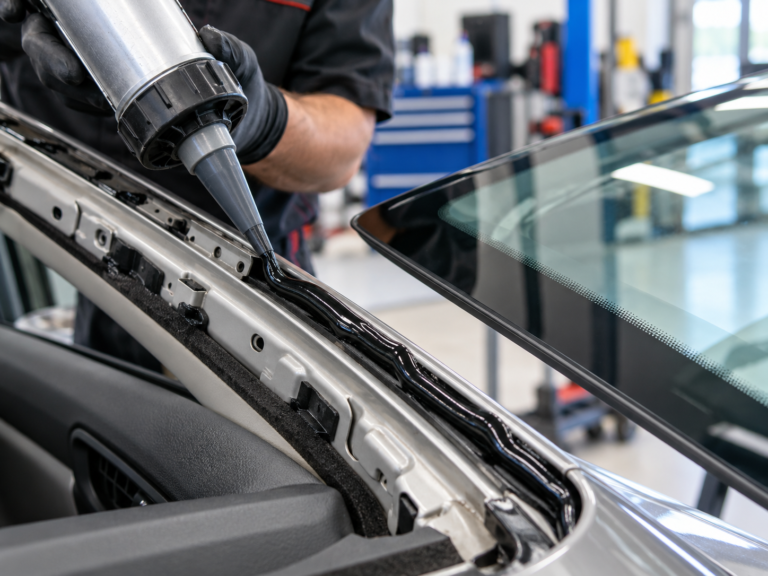
Proper installation: Correct adhesive selection, bonding procedures, and installation techniques remain essential regardless of how advanced the windshield becomes.
At 1st Shot Auto Glass, we already work with vehicles equipped with advanced windshield features, including rain sensors, heads-up displays, and ADAS cameras.
As technologies such as Hyundai’s Metal-Coated Heated Glass become available on additional vehicles, identifying the proper glass and following manufacturer procedures will remain critical to safe, reliable windshield replacement.
Frequently Asked Questions About Hyundai’s Heated Windshield Technology
Is Hyundai's metal-coated heated windshield available on every Hyundai?
No. Hyundai Motor Group introduced its 48V Metal-Coated Heated Glass technology in 2024, but that doesn’t mean every Hyundai, Kia, or Genesis vehicle has it. Availability depends on the specific vehicle and its factory equipment.
How is metal-coated heated glass different from a regular windshield defroster?
Traditional defrosters direct warm air toward the windshield. Hyundai’s technology uses an electrically conductive metallic coating inside the laminated glass to generate heat directly across the windshield surface.
Can a damaged metal-coated heated windshield be replaced with ordinary glass?
Replacement glass must meet the vehicle manufacturer’s specifications. Installing an incompatible windshield could eliminate factory heating capabilities or interfere with other integrated features.
Does replacing a Hyundai heated windshield require ADAS calibration?
If the vehicle has a windshield-mounted ADAS camera, calibration may be required following windshield replacement according to manufacturer procedures. The heated coating itself doesn’t automatically determine whether calibration is necessary.
Advanced Windshield Technology and Professional Mobile Service
As windshield technology continues to evolve, features such as Hyundai’s 48V Metal-Coated Heated Glass demonstrate how automotive glass contributes to visibility, comfort, and vehicle efficiency.
For Arizona drivers, these innovations also highlight the importance of selecting replacement glass that matches the vehicle’s original equipment and safety requirements.
At 1st Shot Auto Glass, we provide mobile windshield replacement, insurance claim assistance, and ADAS camera calibration throughout Mesa, Gilbert, Chandler, Phoenix, and surrounding communities.
Whether your vehicle has a standard windshield or advanced features such as rain sensors, a heads-up display, or windshield-mounted cameras, we’ll help identify the appropriate replacement glass and explain any calibration requirements.
Need windshield replacement in the Phoenix metro area? Call or text 1st Shot Auto Glass to discuss your vehicle and available service options.